
Welcome to the DACC Library research guide for Environmental Sciences. The tabs on the left side of the screen will take you to a variety of resources available at the library.
Research guides are tools created by librarians to help students find valid, reliable, and credible information for their college coursework or any information need. They are intended to give a broad overview of a subject or skill, and guide you to a DACC Librarian when you need additional help, or just some tips on how to get started.
You can start a chat with a Librarian directly from the library website, or text, email, call or come in to a DACC Library location. Or make an appointment with a librarian online or in-person. Use the links in the Ask Us! box immediately below to get started.

What if Atlantis wasn't a myth, but an early precursor to a new age of great flooding? Across the globe, scientists and civilians alike are noticing rapidly rising sea levels, and higher and higher tides pushing more water directly into the places we live, from our most vibrant, historic cities to our last remaining traditional coastal villages. With each crack in the great ice sheets of the Arctic and Antarctica, and each tick upwards of Earth's thermometer, we are moving closer to the brink of broad disaster. By century's end, hundreds of millions of people will be retreating from the world's shores as our coasts become inundated and our landscapes transformed. From island nations to the world's major cities, coastal regions will disappear. Engineering projects to hold back the water are bold and may buy some time. Yet despite international efforts and tireless research, there is no permanent solution - no barriers to erect or walls to build - that will protect us in the end from the drowning of the world as we know it. The Water Will Come is the definitive account of the coming water, why and how this will happen, and what it will all mean. As he travels across twelve countries and reports from the front lines, acclaimed journalist Jeff Goodell employs fact, science, and first-person, on-the-ground journalism to show vivid scenes from what already is becoming a water world.

The Language of Climate Politics dismantles fossil-fuel propaganda and offers new strategies for climate communication. It argues that partisans on the right and the left often repeat the same fossil-fuel talking points and that this repetition produces a centrist consensus upholding the status quo. The book uncovers the falsehoods of this centrist consensus using rhetorical and ideological analyses of the terms that dominate current climate-change discourse: we, alarmist, cost, growth, "India and China," innovation, and resilience. It discusses climate change, climate science, and climate denial, as well as the recent history of American climate politics, climate economics, international climate negotiations, climate policy in China, carbon capture and storage (CCS), carbon dioxide removal (CDR), climate disinformation campaigns, fossil-fuel subsidies, climate psychology, anti-racism, and climate justice. Finally it provides a new vocabulary for climate activism and offers guidance on initiating conversations about the climate crisis that can move people to take climate action
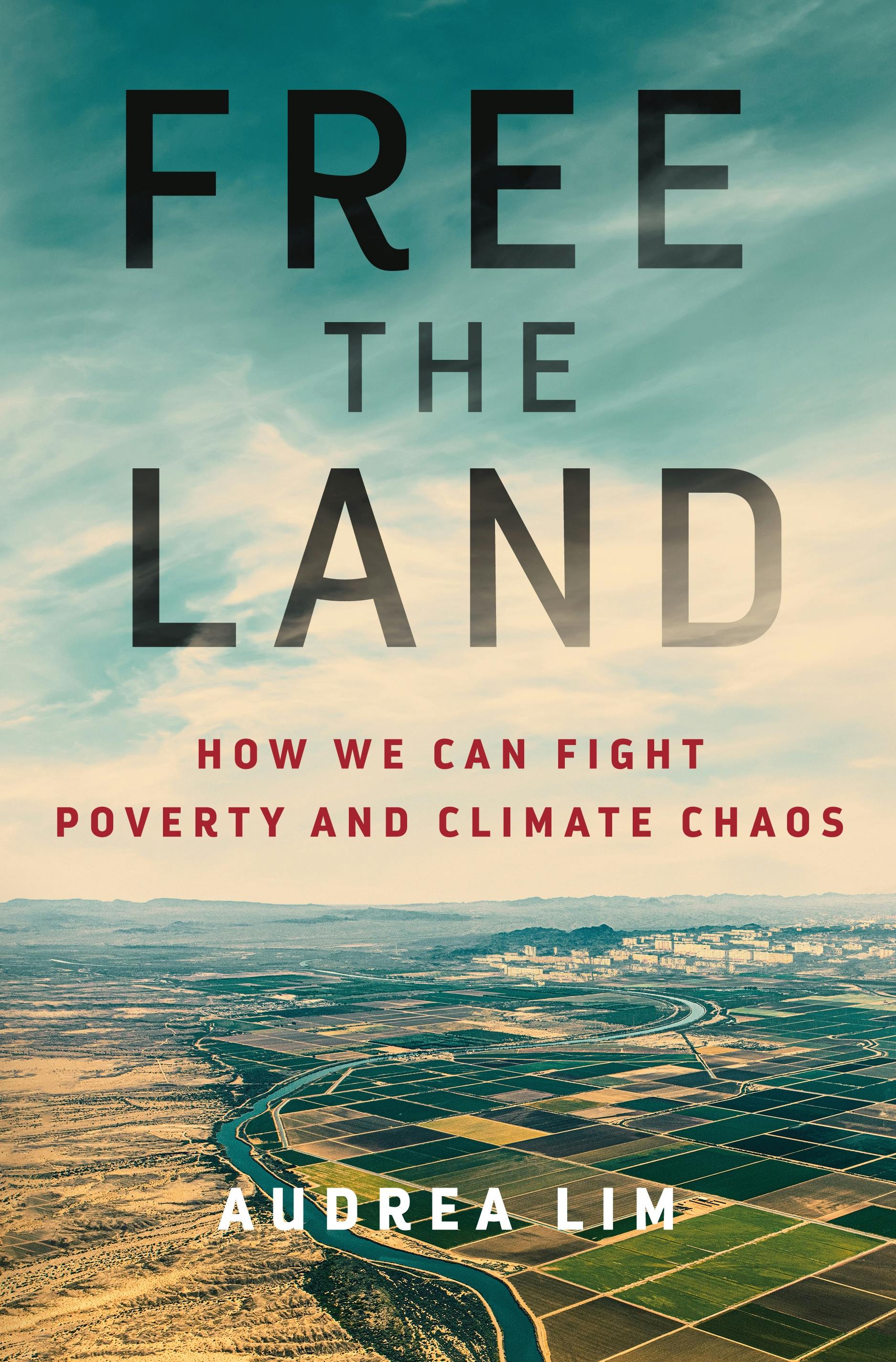
Climate change, gentrification, racial discrimination, and corporate greed are some of the most urgent problems facing our society. They are traditionally treated as unrelated issues, but they all share a common root: the ownership of land. Environmental journalist Audrea Lim began to notice these connections when she reported on the Native communities leading the fight against oil drilling on their lands in the Canadian tar sands near her hometown of Calgary, but before long, she saw the essential role of land commodification and private ownership everywhere she looked: in foreclosure-racked suburbs and gentrifying cities like New York City; among poor, small farmers struggling to keep their businesses afloat; and in low-income communities attempting to resist mines and industrial development on their lands, only to find that their voices counted less than those of shareholders living thousands of miles away. Free The Land is a captivating and beautifully rendered look at the ways that our relationship to the land is the core cause of the most pressing justice issues in North America. Lim expertly weaves together seemingly disparate themes into a unified theory of social justice, describes how the land ownership system developed over the centuries, and presents original reporting from a wide range of activists and policy makers to illustrate the profound impact it continues to have on our society today. Ultimately, this book offers a message of hope: by approaching these socioeconomic issues holistically, we can begin to imagine just alternatives to fossil-fueled capitalism, new ways to build community, and a more sustainable, equitable world.

The Heat Will Kill You First is about the extreme ways in which our planet is already changing. It is about why spring is coming a few weeks earlier and fall is coming a few weeks later and the impact that will have on everything from our food supply to disease outbreaks. It is about what will happen to our lives and our communities when typical summer days in Chicago or Boston go from 90°F to 110°F. A heatwave, Goodell explains, is a predatory event--one that culls out the most vulnerable people. But that is changing. As heatwaves become more intense and more common, they will become more democratic. As an award-winning journalist who has been at the forefront of environmental journalism for decades, Goodell's new book may be his most provocative yet, explaining how extreme heat will dramatically change the world as we know it


In Marine Pollution: What Everyone Needs to Know, Judith Weis covers marine pollution from numerous angles, each fascinating in its own right. Beginning with its sources and history, she discusses common pollutants, why they are harmful, why they cause controversy, and how we can prevent them from destroying our aquatic ecosystems. Questions ask what actually happened with the Exxon Valdez, and why harmful algal blooms are a serious concern. Covering pollutants that are only now surfacing as major threats, such as pharmaceuticals, personal care products, and metal nanoparticles, she explains how these can begin in the water and progress up the food chain to emerge in human bodies. Looking at the effects of climate change and acidification on marine pollution levels, we learn how we can begin to reduce pollution at the local and global levels. Additional chapters address the deadly effects of climate change in the ocean but also focus on actions that all people can take, citing recent environmental improvements as a cause for hope.

Call Us: 575-528-7260 or 575-527-7555
Text Us: 575-708-6489
Email us: library@dacc.nmsu.edu
or Make an Appointment with a Librarian
 This work by Doña Ana Community College Library is licensed under a Creative Commons Attribution-ShareAlike 4.0 International License.
